

Industry used to anchor Syria’s economy. Before 2011, the industrial sector accounted for 27% of GDP and employed almost 16% of the population. Textiles alone contributed 27% of non-oil industrial production and 45% of non-oil exports, employing 30% of the industrial workforce. Rebuilding that base, after more than a decade of war, will be a priority for Syria’s post-Assad economic recovery.
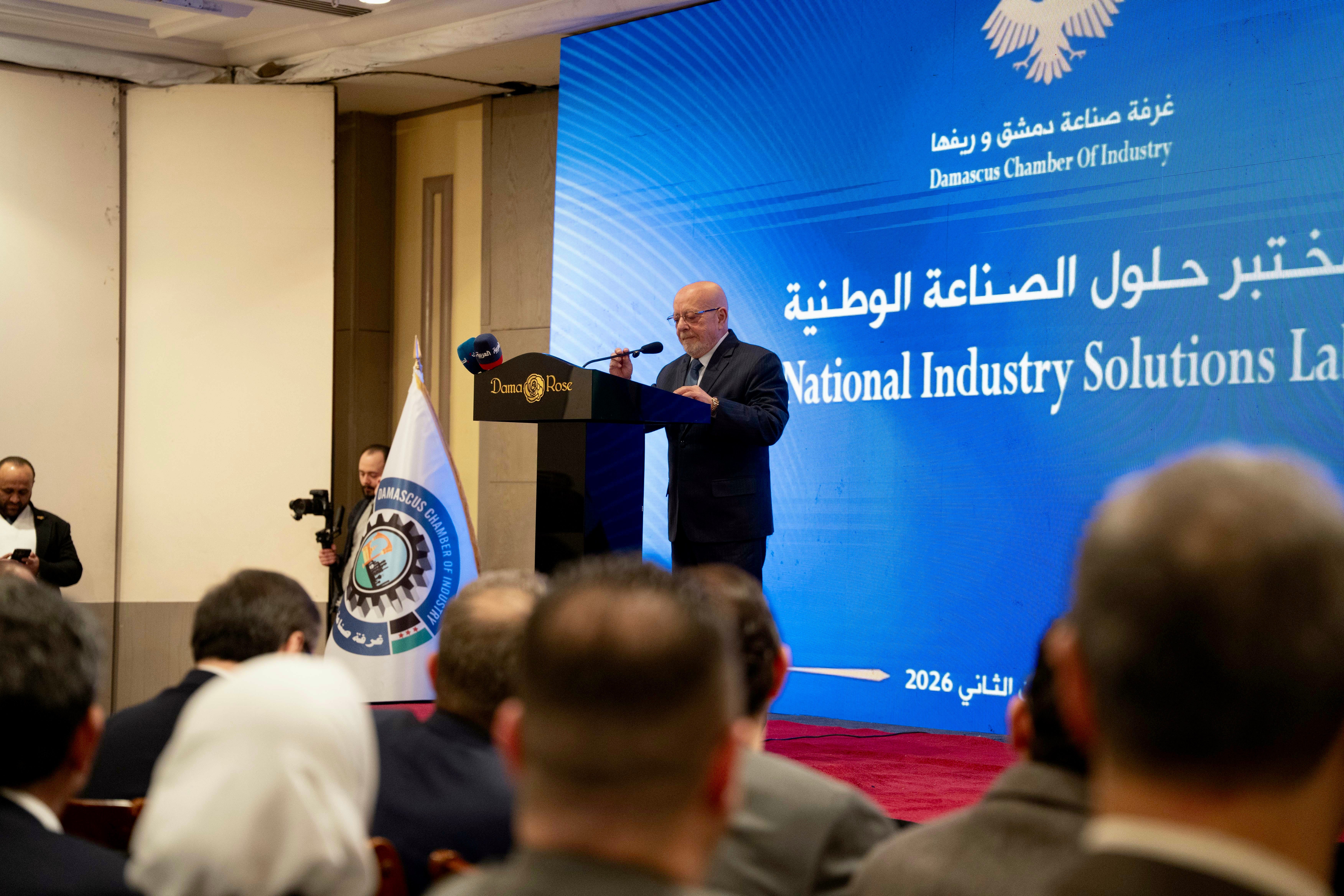
Earlier in January, our founder, Hani, was invited to attend a full-day industrial policy workshop organized by the Damascus Chamber of Industry. The workshop offered him an early sign of how the new authorities are approaching industrial policy.
Consultation with the private sector is becoming a core feature of Syria’s emerging industrial policy.
In early January, senior government officials spent a day with leading industrialists from major production centers, structuring discussions around five constraints on industrial recovery: logistics and supply chains, financing, legislation and regulation, workforce development, and institutional coordination. Mixed public- and private-sector working groups were tasked with producing three implementable recommendations each.
Senior officials—including the Ministers of Finance, Economy, and Telecommunications, the Central Bank Governor, and the Mayor of Damascus—joined the closing session to review the proposals. I was deeply impressed by how they participated. Officials spoke openly about reducing friction, improving regulatory clarity, aligning financial tools with industrial priorities, and investing in human capital alongside infrastructure. Each engaged directly with the recommendations, and the Minister of Economy outlined a strategic vision that closely aligned with many of the proposals developed by the working groups. Equally notable was the presence of a younger generation of professionals on both the public and private sides, bringing analytical discipline and a forward-looking mindset.
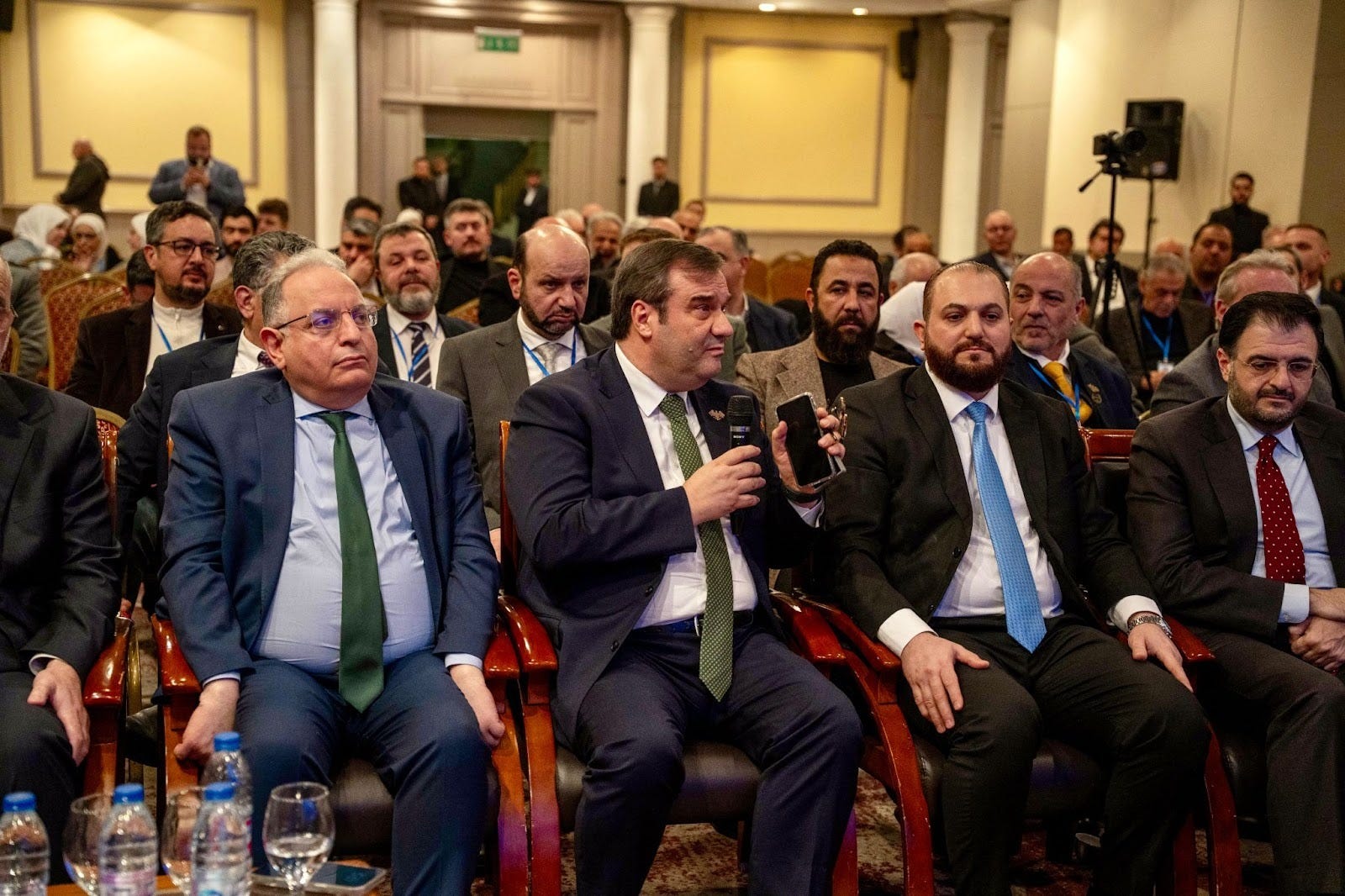
For investors assessing Syria primarily through risk metrics, events like this offer a counter-signal. They suggest a government that is becoming more methodical, moving away from ad hoc decisions toward something closer to feedback-based reform—a necessary shift if private investment is going to be sustainable.
Industry also provides a clearer entry point for foreign investors than is often assumed. While large infrastructure projects tend to dominate attention, they are capital-intensive, politically visible, and slow to mature. Industrial partnerships, by contrast, allow investors to engage incrementally, align with local firms, and test regulatory and operational conditions before scaling. They also benefit from Syria’s latent advantages: an experienced industrial workforce, established entrepreneurial families and networks, and proximity to regional markets.
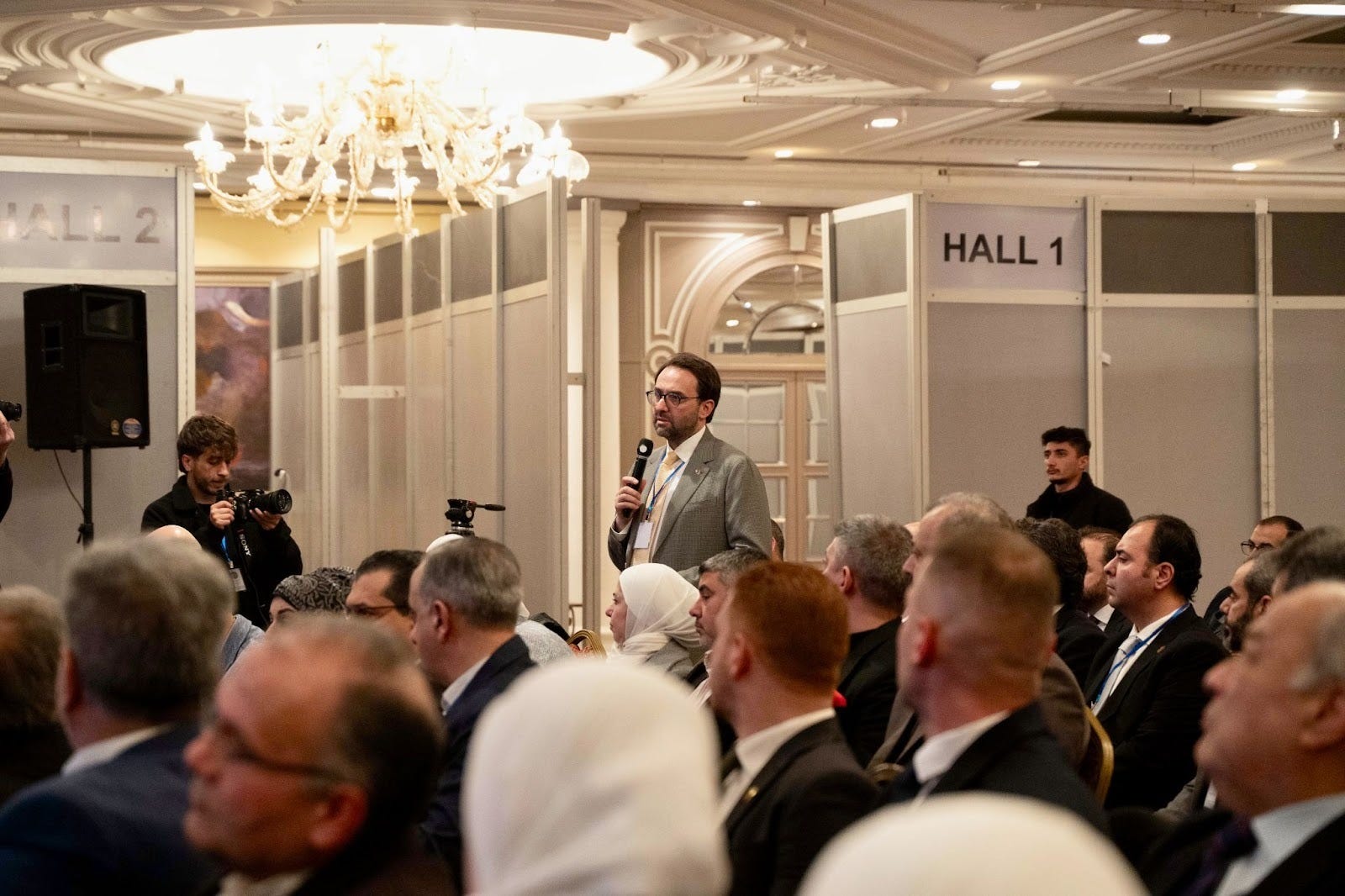
This workshop reflects a broader shift toward structured consultation between the state and the private sector. In mid-January, the Ministry of Economy and Industry partnered with UNDP to launch the Syrian Private Sector Dialogue, a series of workshops across the country gathering feedback from businesses and industrialists. To support these efforts and enable readers’ attendance, SIMA Insights will be sharing details of public conferences on our page as they become available.
One workshop won’t change much, but it shows intent, direction, and capacity. Quietly and deliberately, Syrian officials are signaling that the country is open for business.